Best Bed Linen Manufacturer in India for Hotel Export: How to Evaluate One
Not a top-10 list. A practical checklist for judging any Indian bed linen manufacturer for hotel export: fabric capability, export paperwork, sampling and how pricing is built.
Search for the "best bed linen manufacturer in India" and you will find ranked lists. Most are written by directories that rank whoever pays. The best manufacturer for a 300-room hotel in Dubai is not the best one for a budget motel chain in Texas. This guide gives you the criteria to judge any manufacturer yourself.
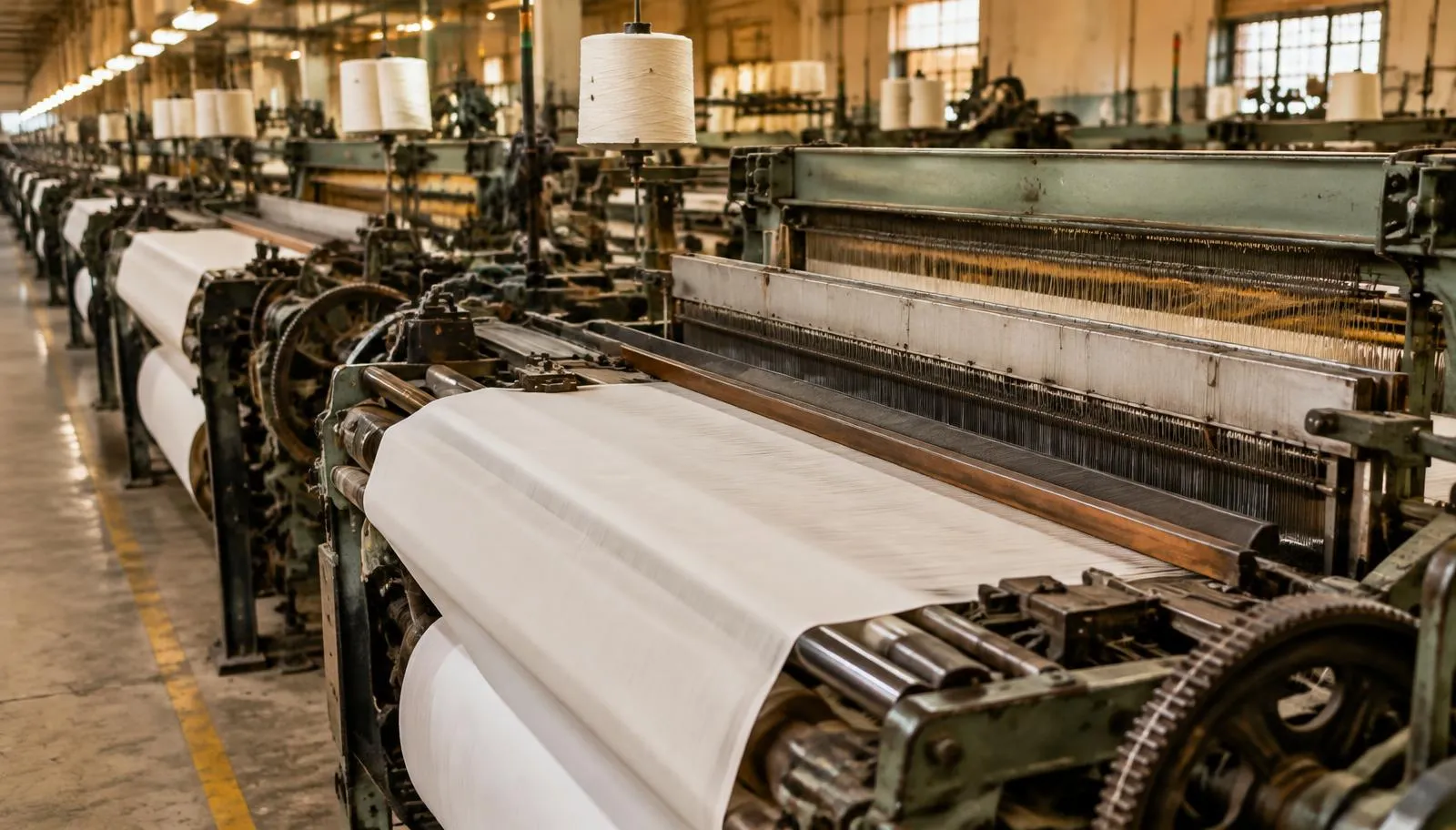
Fabric capability: what can they actually make?
Start by asking which constructions the mill produces in-house and which it buys in. For hotel export, the core range usually looks like this:
- Cotton percale, 200–400 thread count: the workhorse for hotel sheets
- Cotton sateen, 300–1000 thread count: for premium and suite rooms
- Sateen stripe and jacquard: for duvet covers and decorative layers
- Poly-cotton blends: for budget properties with high laundry turnover
Ask for a fabric swatch book with the construction written on each swatch: yarn count, thread count and GSM. A manufacturer that can only describe fabric as "premium" or "hotel quality" has not given you a spec.

Certifications and compliance
For export, a manufacturer should hold quality and product safety certification as a baseline. Royal Mills is ISO 9001:2015 and OEKO-TEX Standard 100 certified. On top of that, ask about market-specific requirements: care labelling for the US, UKCA marking where it applies, or bilingual labels for Canada.
Export documentation
An experienced exporter will prepare these without you asking:
- Commercial invoice and packing list
- Certificate of origin (needed to claim reduced duty under trade agreements)
- Bill of lading or airway bill
- Pre-shipment inspection report
- HS code classification for every item. Bed linen normally falls under heading 6302.
If a manufacturer is unsure which HS code applies to fitted sheets versus pillowcases, your customs broker will find out the expensive way.
The sampling process
A good sampling process is written down. You should receive a sample against an agreed spec sheet, approve it in writing, and the approved sample becomes the reference for production and inspection. Ask:
- How long does sampling take? (1–2 weeks is typical.)
- Is a lab dip provided for custom colours before bulk dyeing?
- Are the sample and bulk made on the same lines?
How pricing is built
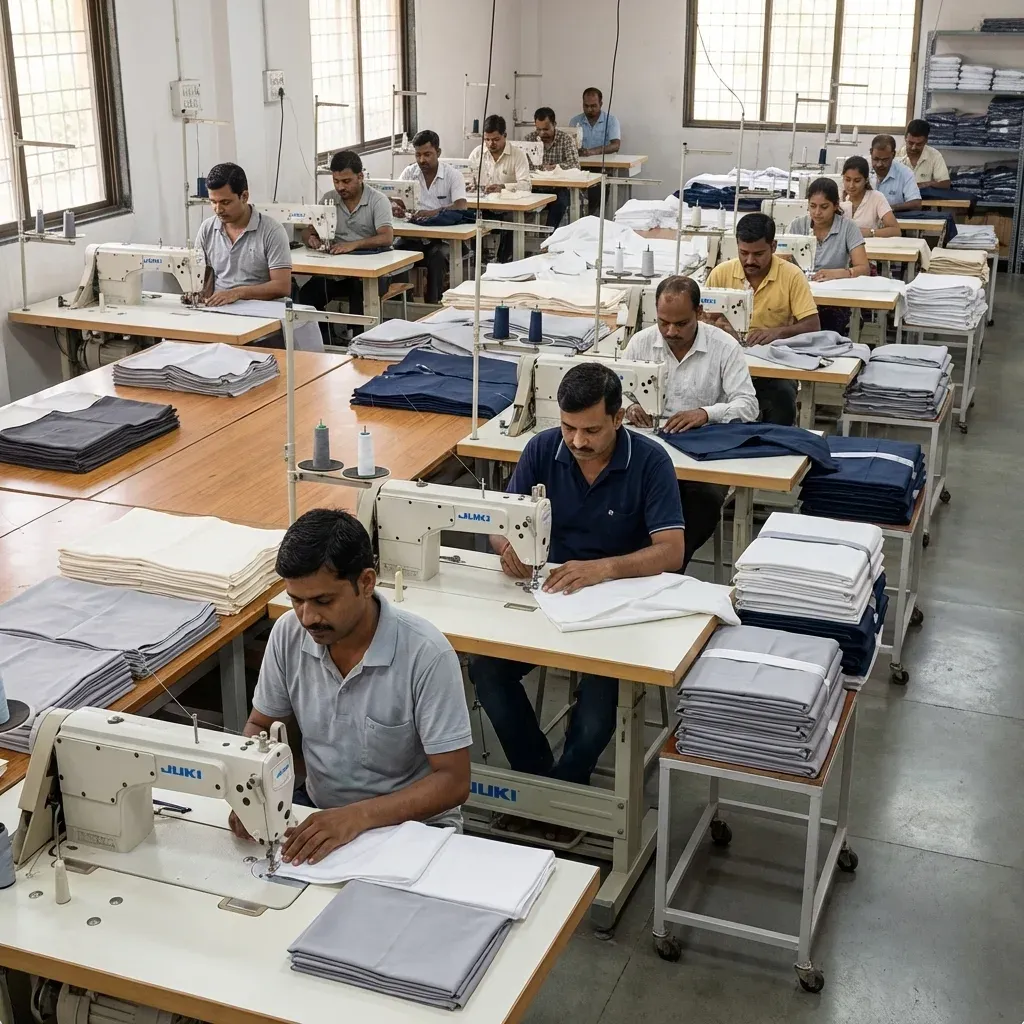
A quote per piece is made of: fabric (yarn, construction, width), processing (bleaching, dyeing, finishing), cut-and-sew, trims and labels, packaging, and the Incoterm (FOB, CIF or DDP). If two quotes differ by 30%, ask both suppliers to break down GSM, thread count and packing. Usually one of them is quoting a lighter fabric.
Minimum order quantities also shape price. At Royal Mills, bed sheets, duvet covers and custom/private label start at 100 pieces per SKU, Pantone-matched private label at 300, quilts and comforters at 500, and pillowcases at 1,000. Every shipment passes AQL 2.5 pre-shipment inspection.
For a hotel-specific overview of constructions and sizes, see our hotel linen supplier page.
Frequently asked questions
How do I judge the best bed linen manufacturer in India for my hotel?
Match the manufacturer to your spec, not to a ranking. Check in-house fabric capability, certification (ISO 9001:2015 and OEKO-TEX Standard 100), export documentation experience, a written sampling process, and a transparent price breakdown.
What HS code is used for exporting bed linen from India?
Bed linen is generally classified under HS heading 6302, with the subheading depending on fibre and whether it is printed. Your manufacturer and customs broker should confirm the exact code for each item.
Should I pay for samples?
A small sample charge is normal and often credited against the first order. Paying for a sample also means it is made to your spec, not pulled from stock.
Why do quotes from Indian manufacturers vary so much?
Usually because the fabric being quoted is different: lower GSM, a lower true thread count, or a different Incoterm. Ask every supplier to quote against the same written spec.
What inspection standard should be used before shipment?
AQL 2.5 is the common standard for major defects in home textiles. Royal Mills inspects every shipment to AQL 2.5 and accepts third-party inspectors appointed by the buyer.
Explore our bed-linen range
Popular categories buyers source from Royal Mills:
- Bed Sheets — 200TC to 1000TC
- Duvet Covers — 6 collections
- Pillowcases — Oxford & Housewife
- Custom & Private-Label Bedding